
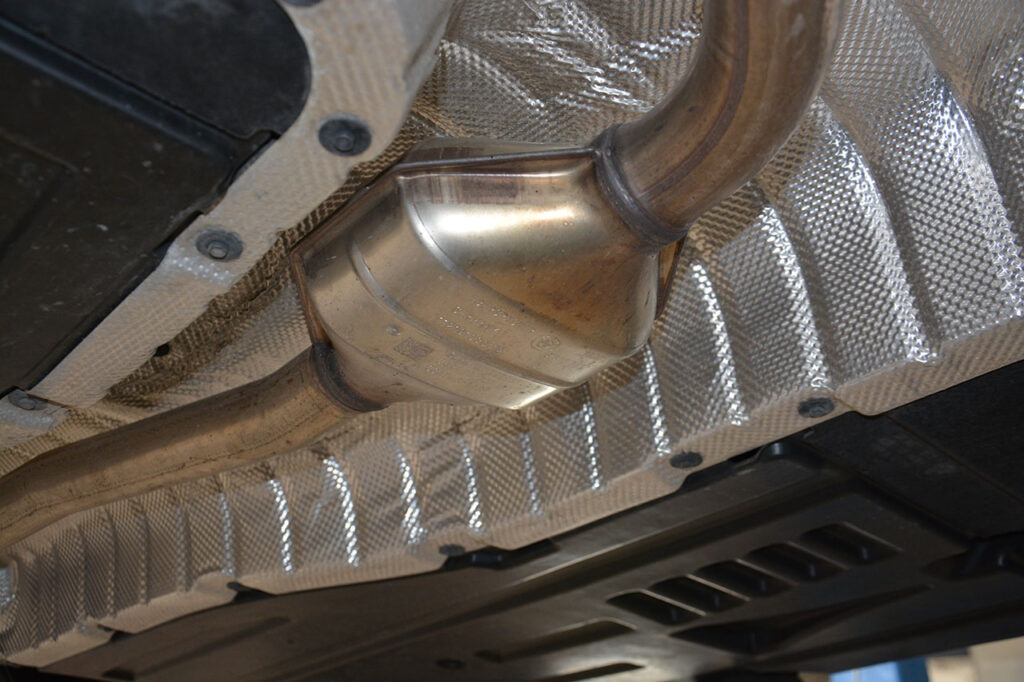
A DPF filter is a term that stands for Diesel Particulate Filter. These filters can be found in newer cars equipped with diesel engines, typically those manufactured from around 2005 onwards. The purpose of the DPF is similar to that of a catalytic converter — it is designed to trap solid soot particles produced during fuel combustion, preventing them from being released into the environment. For this reason, the DPF is also known as a soot filter.
Every DPF filter has a limited service life, and after a vehicle has traveled a certain distance, the filter begins to clog. When this happens, the car’s computer detects it and initiates a self-cleaning (regeneration) process. However, sooner or later, the filter will still become blocked, which leads to engine performance issues or even forces the engine into emergency (limp) mode. This can pose risks to the engine, turbocharger, fuel injectors, and other components.
A clogged DPF filter can be recognized by reduced or lost engine power, increased exhaust emissions, frequent regeneration cycles, and, in extreme cases, the engine failing to start or stalling even when warm. The symptoms are similar to those of a faulty catalytic converter. In such cases, it’s important to act quickly to resolve the issue before more serious damage occurs.
There are several ways to fix a clogged DPF filter: replacement, cleaning, or elimination. Replacing the DPF is very expensive, and it’s important to remember that after some time, the problem will likely reoccur, requiring further investment. Cleaning can be an appropriate solution in some cases, but not always. When cleaning no longer helps, it is often recommended to permanently eliminate the DPF from the vehicle’s exhaust system.
The DPF filter is disabled electronically (software removal) and removed mechanically. Therefore, the elimination process consists of two stages. A professionally removed DPF will no longer cause issues or require further investment. The engine will run more smoothly, the turbocharger will operate more efficiently, and fuel consumption may decrease.